








HEADLINES
Expelled AIADMK leader Panneerselvam joins DMK in presence of CM Stalin
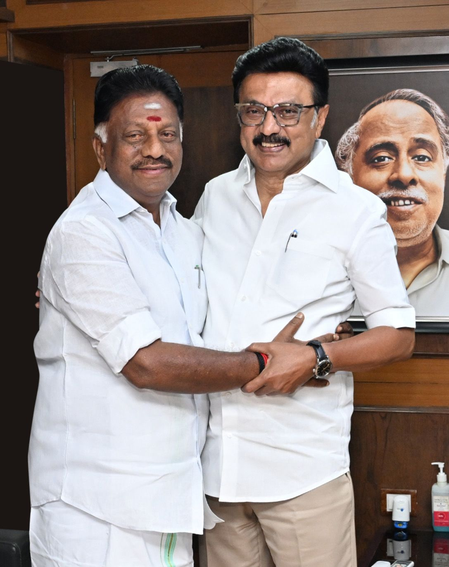

1 hour ago
Venkat Prabhu releases titles of two pan Indian films being made on Lord Ayyappa

1 hour ago
Yuvan Shankar Raja to score music for Aishwarya Rajinikanth's upcoming film!

1 hour ago
Sanya Malhotra fulfils dream by celebrating 34th birthday with a sports carnival

1 hour ago
Nargis Fakhri loses ‘entire nail’ after winning a game of darts

1 hour ago
Kareena Kapoor flaunts her bindi & pout, gives it a Sridevi twist

1 hour ago
Sonam Kapoor pens heartfelt birthday note for ‘wonderful grandmom, mother-in-law’

1 hour ago
Nani, Sundeep Kishan wish Vijay Deverakonda - Rashmika a blissful life together!

1 hour ago
Adivi Sesh seeks blessings at Bhadrakali Temple in Warangal

1 hour ago
Anubhuti Kashyap shares the prerequisites of framing the story of ‘Accused’

1 hour ago
Akshay Kumar says mobile addiction is a trap for kids, talks about its ill effects on Wheel of Fortune

1 hour ago
Jennifer Garner refuses to promise her children she won't have a facelift

1 hour ago
Manish Malhotra says Kareena Kapoor's 'Poo' costumes from K3G became a part of pop culture

1 hour ago
Guide young minds, control social media: Experts on states mulling ban on online presence of children