




Health
Prenatal exposure to PM 2.5 may up severe respiratory distress in newborns
New York, Jan 30
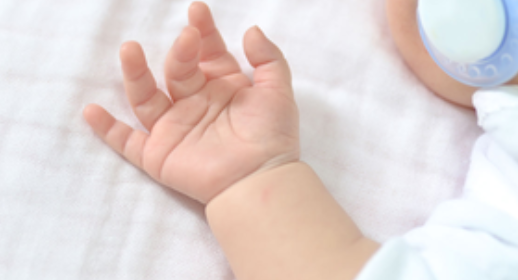
Prenatal exposure to air pollution increases the risk of severe respiratory distress in newborn babies, according to new research led by one of Indian-origin.
The risk increases with exposure specifically to fine particulate matter (PM2.5) and nitrogen dioxide (NO2), which occur in wildfire and cigarette smoke and vehicle emissions, among other sources.
Babies born to mothers exposed to higher levels of PM2.5 are more likely to experience severe respiratory distress, requiring interventions such as assisted ventilation and systemic antibiotics.
The association between PM2.5 exposure and severe respiratory distress remained consistent whether the exposure occurred during the pre-pregnancy stage or at any stage during pregnancy.
NO2 exposure in mothers was associated with an increased need for systemic antibiotics among babies, revealed the findings, published in the journal Environmental Health Perspectives.
“Mothers’ exposure to air pollution while pregnant is known to be associated with adverse long-term respiratory issues, such as asthma, in their children,” said Chintan K. Gandhi, Assistant Professor of Paediatrics at Pennsylvania University in the US.
“However, what we didn’t know is that maternal exposure to air pollution could cause babies to suffer severe respiratory distress soon after birth.”
To conduct the study, the researchers analysed the exposures of 2,001 pregnant women from 10 Canadian cities to environmental chemicals, including PM2.5 and NO2.
The team estimated the women’s exposures to PM2.5 and NO2 beginning three months prior to pregnancy through the end of the third trimester by using models based on satellite information and ground-level air quality monitoring devices.
However, Gandhi said, “There really is no safe level of air pollution.”
“We found that the more air pollution mothers were exposed to, the greater the chances that their babies would suffer severe respiratory distress,” he said.
While the team did not investigate the specific mechanism through which pollutants are transmitted from mother to child, Gandhi pointed to previous research indicating heightened inflammatory markers in mothers exposed to air pollution.
These markers, detected through blood tests in the same cohort of mothers, underscore a potential pathway for the impact of air pollution on maternal health and its subsequent influence on newborns, he said.
“Our findings hold substantial importance as they suggest that preventing death and illness in babies due to respiratory distress is plausible through the reduction or elimination of air pollution. It is imperative for policymakers to grasp the gravity of this situation,” Gandhi said.
7 hours ago
Former Vice President of India Jagdeep Dhankhar to Launch “Seeking The Infinite” by Yakub Mathew in New Delhi
8 hours ago
Nothing can justify terrorism, India stands with Israel firmly: PM Modi
10 hours ago
In meeting with PM Modi, Netanyahu highlights 'bond of real friendship' between Israel and India
13 hours ago
PM Modi arrives in Israel, receives warm welcome from Netanyahu at airport
15 hours ago
BJP alleges diversion tactics in Sabarimala gold case after tantri's arrest
15 hours ago
Industry experts reveal why Taapsee Pannu starrer 'Assi' performed poorly at box office
15 hours ago
Mamta Kulkarni remembers Divya Bharti on her 52nd birth anniversary
15 hours ago
Yash’s 'Toxic' team introduces Darrell D’Silva as Salvador in film!
15 hours ago
Sanjay Leela Bhansali is hale and hearty, says his team
15 hours ago
Rupali Ganguly shares stage with Amitabh Bachchan & Sachin Tendulkar, says iconic ‘Aapko Kya’ dialogue
15 hours ago
Sunny Deol's son Karan Deol pens a beautiful birthday note for ‘his happiness & peace’ Drisha Acharya
15 hours ago
Basil Joseph to play Rajinikanth's son in #Thalaivar173?
15 hours ago
Why PRAHAAR marks a reset in India’s counter-terror doctrine
